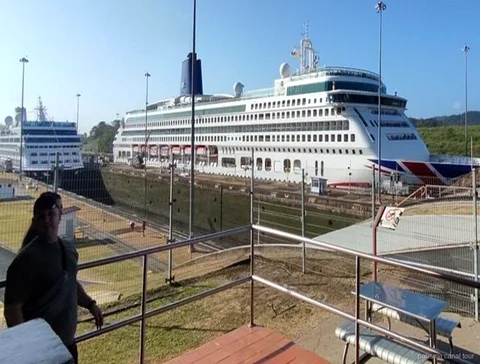
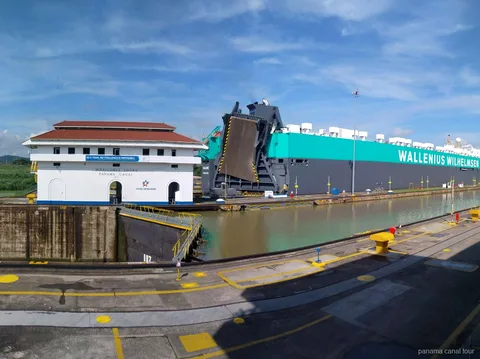
A panama canal tour is the easiest way to watch one of the world’s great feats of engineering up close, from massive cargo ships rising through the lock chambers to guides explaining exactly how a century-old system of gravity fed water still moves global trade today. Whether you have half a day between flights or a full week in Panama City, there is a tour built around your schedule, and the choice mostly comes down to how close to the water you want to get and how much of the surrounding city or wildlife you want folded in.
This guide compares 8 real, currently bookable tours across four categories: locks visits, boat cruises, adventure combos, and city combo tours. Below the comparison table you can filter by price, duration, and what each tour includes. The rest of this page walks through what a Panama Canal tour actually involves, what things cost, when to go, and which option fits different kinds of travelers, so you can book with confidence instead of guessing.
What Is a Panama Canal Tour?
A Panama Canal tour is a guided visit to one or more of the canal’s lock complexes, usually paired with transport, a bilingual guide, and often a second stop like Panama City’s old town or a wildlife-spotting boat ride. Most tours depart from downtown hotels and run half a day, though full transit cruises and specialty combos can fill an entire day.
The simplest version is a ticket-and-transfer to the Miraflores Visitor Center, where you watch ships pass through the locks from an elevated terrace and explore a small museum. From there, options branch out into four broad categories. Locks tours keep things focused, with a shorter guided or ticket-only visit to a single set of locks. Boat cruises put you on the water for a partial or full transit through the canal itself, riding alongside real cargo ships instead of watching from a platform. Adventure combos pair the canal with wildlife spotting on Gatun Lake or a visit to a historic fort, and city combo tours weave the locks into a wider loop through Panama City’s modern skyline and colonial old town.
Which category fits depends mostly on how much time you have and whether you want to be on dry land or on the water. A traveler with a single afternoon usually leans toward a locks or city combo tour, while someone building a full day around the canal often chooses a boat cruise or an adventure combo instead. If you are weighing the walk-up visit against getting onto the water, the Panama Canal transit tour guide breaks down exactly how the boat experience differs from a locks-only stop.
How Much Does a Panama Canal Tour Cost?
Prices for the tours compared on this page range from EUR 31 for the cheapest half-day city and locks combo to EUR 193 for a full ocean-to-ocean transit cruise, with most options landing between EUR 40 and EUR 160 depending on category and length. Ticket-only admission to the Miraflores Visitor Center, without a guided tour, is generally the least expensive way to see the locks in person.
Locks-focused tours and shorter Atlantic-side visits tend to sit at the budget end, adventure combos and partial transit cruises fall in the middle, and full-day ocean-to-ocean transits carry the highest price because they cover far more distance and time on the water. The Panama Canal boat tour cost breakdown digs deeper into pricing by transit type, and the Panama Canal tickets and prices page covers what a standalone visitor center ticket includes if you would rather skip the guided add-ons. Prices shown across this site are dated 2026-07-24 and can shift with the season, group size, and availability, so treat listed rates as a starting point rather than a guarantee.

How Do You Book a Panama Canal Tour and Skip the Line?
Booking online in advance is the simplest way to skip the ticket line at the Miraflores Visitor Center, since guided tours typically include timed entry and hotel pickup so you are not queuing at the gate or arranging your own transport. Most listings confirm instantly and allow free cancellation up to 24 hours before departure.
Reserving a day or two ahead is usually plenty outside peak season, but January through March, the heart of the dry season, is when half-day tours and boat cruises are most likely to sell out their morning departures. Morning slots are worth booking early anyway, since they carry better odds of lining up with a scheduled ship transit. If you are still deciding between a locks-only visit and a boat trip through the canal, compare both in the transit tour guide before you commit to a departure time.
What’s Included in a Panama Canal Tour Price?
Most guided tours bundle hotel pickup and drop-off, transport in an air-conditioned vehicle, a bilingual guide for the full route, and bottled water on board. What’s excluded varies more than travelers expect: on several listings, the Miraflores Visitor Center’s own entrance fee is billed separately from the tour price and paid on site or added as a booking option, so it pays to check the fine print before assuming admission is bundled in.
Meals beyond a light snack, gratuities for the guide and driver, and souvenirs are almost never included regardless of price tier. Private vehicle upgrades and larger family bookings can also push a listed “from” price higher once you select your group size on the booking page. For a candid look at what past visitors actually flagged, good and bad, the Panama Canal tour reviews guide rounds up recurring themes like heat, ship-timing luck, and guide quality without inventing star ratings.
What Should You Expect on a Panama Canal Tour?
Expect a mix of waiting, watching, and walking. Ship transits are scheduled by the Panama Canal Authority based on shipping traffic, not tourism, so guides typically build in 60 to 90 minutes at the locks to improve your odds of catching a chamber fill or drain in real time, alongside exhibit halls and a short documentary on the canal’s construction.
Most half-day tours also include a second stop, commonly Casco Antiguo’s colonial streets or the Amador Causeway’s Pacific-entrance views, so you are not spending the whole day at a single viewpoint. Boat cruises trade the fixed viewing terrace for a moving vantage point inside the lock chambers themselves, which is a meaningfully different experience worth reading about in the Miraflores Locks tour guide before you pick between the two.
Inside the visitor center itself, expect four exhibit floors covering the canal’s engineering, ecology, and history, plus a short documentary shown on rotation throughout the day. The observation terraces sit at the same level as the lock chambers, close enough that you can hear the water moving and see crew members on deck as a ship rises or falls. None of this depends on a transit actually happening during your visit window, since the museum and terraces are worth the stop on their own even on a quiet day.
Miraflores Locks or a Boat Tour Through the Canal?
Choose the Miraflores Locks if you want the shortest, most affordable way to see the canal, with light walking and flexible timing. Choose a boat tour if you want to actually sail through the lock chambers rather than watch from a platform, and you have a bigger budget and more hours to spend.
A Miraflores-based tour gets you close to the action from dry land, with the visitor center’s museum and terraces doing most of the storytelling. A partial or full transit boat cruise puts you inside the experience, riding the rise and fall of the water alongside real cargo traffic, which is closer to what a cruise ship passenger sees from the deck. The Miraflores Locks pillar guide and the transit tour breakdown both go deeper on logistics, and cruise passengers deciding between a ship excursion and an independent tour should also check the Panama Canal cruise guide for port-specific advice.
When Is the Best Time to Visit the Panama Canal?
The dry season, roughly mid-December through mid-April, is the best time to visit the Panama Canal for clear skies and comfortable outdoor viewing at Miraflores. The rainy season, May through November, still works for a tour since downpours are usually short afternoon bursts rather than all-day rain.
Morning departures are the safer choice in any season, both for cooler temperatures and a slightly better chance of a ship transit lining up with your visit. Crowds also build later in the day as cruise ship shore excursions arrive, so an early booking tends to mean shorter lines at the visitor center regardless of the month. The best time to visit the Panama Canal guide covers month-by-month weather and crowd patterns in more depth if you are planning around a specific trip window.
Getting to the Panama Canal from Panama City
The Miraflores Locks sit about 20 to 30 minutes by car from most downtown Panama City hotels, off the Gaillard Highway on the canal’s west bank. Taxis and rideshare apps make the trip directly, though parking at the visitor center is limited on busy days.
A guided tour with hotel pickup removes the guesswork, since a driver who already knows the day’s estimated transit schedule can time your arrival better than a self-arranged taxi. Public buses run near the area but require a transfer and a longer walk than most visitors want on a hot day, which is why independent travelers usually stick to taxis, rideshare, or a booked tour instead.
Travelers connecting through Tocumen International Airport on a long layover can also fit a shortened version of a Panama Canal tour into a single day, a scenario covered in detail on the Panama Canal day trip pillar page. The drive from the airport takes longer than from downtown hotels, so layover travelers should budget extra time on both ends and confirm luggage storage options before booking a same-day tour.

Who a Panama Canal Tour Suits Best
First-time visitors, cruise passengers with a single free day, and history-minded travelers tend to get the most out of a Miraflores-based or city combo tour, since the pacing balances education with real breaks. Families usually do better on a Gatun Lake wildlife boat tour, where spotting monkeys and other wildlife holds younger attention spans longer than watching lock chambers alone.
Travelers with mobility concerns should lean toward the Miraflores Locks visit over a full transit cruise, since it involves less walking and no extended time at sea. Seniors and families planning around nap schedules or limited stamina will find more tailored advice on the Panama Canal day trip pillar page, which routes to dedicated guidance for both groups.
Solo travelers and photography enthusiasts tend to gravitate toward the boat cruises, since a moving vantage point through the lock chambers makes for a very different set of photos than the fixed observation terrace at Miraflores. Cruise ship passengers with a single port day in Panama City or Colon should also weigh an independent shore excursion against their ship’s own tour, a comparison covered in the Panama Canal cruise guide.
Nearby: Gatun Lake, Monkey Island and Casco Viejo
Beyond the locks themselves, the canal corridor holds a few worthwhile detours. Gatun Lake’s Monkey Island boat tours let you spot howler and capuchin monkeys, sloths, and birdlife on the forested islands that dot the lake the canal created, a distinctly different pace from a locks-focused visit. Panama City’s Casco Antiguo old town, a UNESCO World Heritage Site, pairs naturally with a half-day canal tour since it sits only a short drive away.
The Gatun Lake and Monkey Island tour guide covers the wildlife side in full, including what you are realistically likely to see and how the boat route works. Sightings are never guaranteed since these are wild animals in a real ecosystem rather than a managed park, but small open-sided boats get close enough to the shoreline trees that most mornings turn up at least a few howler or capuchin monkeys.
If you are stitching together a longer visit that combines the canal with the city’s historic core, the Panama Canal day trip guide lays out how to fit both into one day without rushing either.
Panama Canal Facts Worth Knowing Before You Go
The Panama Canal opened in 1914 after French and American construction efforts spanning several decades, and Panama took full control of the waterway in 1999. The original system uses three lock complexes, Gatun, Pedro Miguel and Miraflores, to lift ships roughly 26 meters above sea level to cross the isthmus, and a separate set of larger Neopanamax locks opened in 2016 to handle bigger container ships alongside the historic route.
Knowing this context makes the visitor center’s exhibits and any ship transit you catch far more interesting, since you are watching a system that still runs on the same basic gravity fed principle it did over a century ago. Ships pay tolls calculated by size and cargo to cross, and the fees collected fund a large share of Panama’s national budget, a trivia point most guides mention early in the tour since it explains why traffic scheduling takes priority over sightseeing. The Panama Canal facts and history pillar page rounds up the fuller story, including how the lock chambers work step by step and how many locks the original system and the 2016 expansion each use. For deeper background beyond this site, the Panama Canal Authority’s official site publishes current operational data, and Wikipedia’s Panama Canal entry is a solid starting point for the engineering and political history.
Insider Tips for Visiting the Panama Canal
Book a morning departure whenever your schedule allows. A meaningful share of daily ship movements happen earlier in the day, and mornings are cooler and less crowded before cruise ship shore excursions arrive in the afternoon. Bring real sun protection, since the observation terraces at Miraflores offer limited shade and Panama’s midday sun stays intense even under cloud cover.
Wear closed, comfortable shoes if your tour includes a Casco Antiguo walking segment, since the old town’s cobblestones are uneven. Ship transits themselves are never guaranteed on any single visit, since the Panama Canal Authority schedules them around shipping traffic rather than tourism, so treat the museum, exhibits, and guide narration as the reliable core of your visit and any transit you happen to see as a bonus.
Choose a listing with free cancellation whenever the option is offered, since Panama’s weather and cruise ship schedules can both shift plans on short notice. If you are arranging your own transport instead of a guided pickup, arrive with some buffer before your ticketed time slot, since parking at the visitor center fills up during the dry season’s busiest weeks. For official visitor planning resources, Panama’s tourism authority is a useful supplement to this guide.
Ready to compare the details side by side? The table above lists all 8 tours by price, duration, and category so you can find the Panama Canal tour that fits your day, whether that means a quick half-day locks visit or a full ocean-to-ocean transit.